


Your Professional Baby Shoe Manufacturer in China!
Tongxiang Haowei Shoes Co., Ltd. is a professional manufacturer engaged in the research, development, production, sale and service of various slippers. We have a full chain of factories that can provide different construction of slippers and sneakers.
Various Types of Slippers:Our main range is indoor&outdoor slippers and bootie, such as slides, sandals, men slippers, woman slippers, baby slippers, kids bootie, sneaker and so on.
High Standard Products:Our slippers are breathable and eco-friendly with good permeability and flexibility. Our products also have the shock absorption, decompression, massage, relief foot fatigue and pain function while to meet customers’ requirements.
Reliable Product Quality:The company has advanced mechanical processing and testing equipment, a number of experienced and responsible designers & technical personnel, and completed quality assurance system.
OEM & ODM Available:The company can provide you OEM and ODM service. We can custom design the products according to the customer’s request. Our aim is to provide all clients with high quality products and the best services.
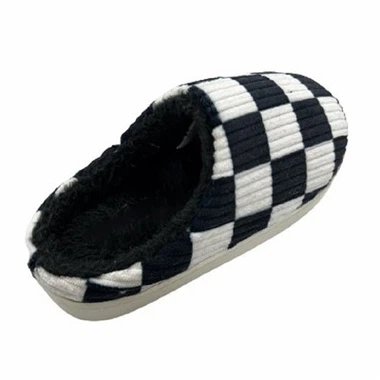
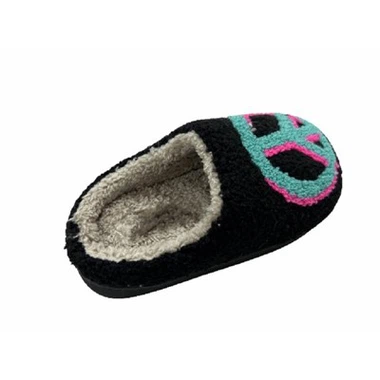
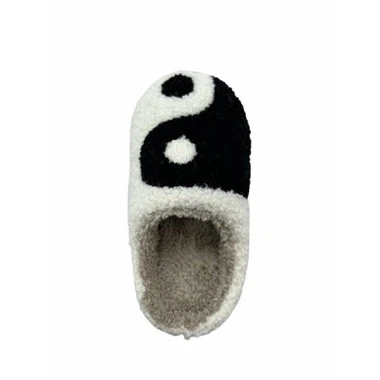
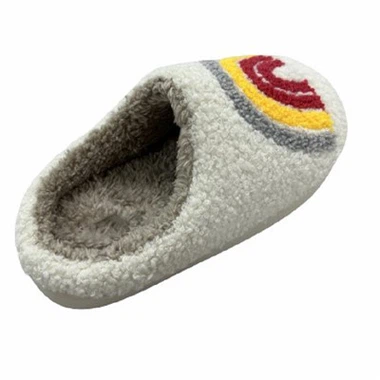

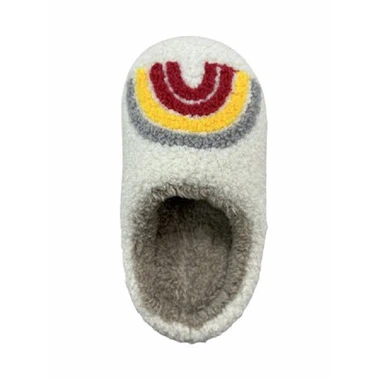


Introduction of Baby Slipper
Babies can struggle to regulate their temperature and so they need something to keep their head, hands and feet warm. Slippers are a great solution here as they stay on little feet. Socks are also a good option if you can get your little one to keep them on! If you have ever spent time with a wriggly baby, you know only too well how easily socks are pulled off. It seems like they only ever have one sock on and you are hunting for the other one. Blankets also get kicked off and suddenly those little toes are getting cold. Slippers that stay on are an ideal solution.
Custom Baby Slipper Service
Shoes Style
We custom different style slippers, such as black baby clog, toddler slides shoes, baby fur clogs, kids slide slipper and toddler slides shoes girl.
Custom Logo
We can add logo with different style such as screen print logo, engraving logo, label logo.
Custom Size
Any size of shoes is possible from children size to adult size, is can be customized.
Custom Material
Shoes with different material such as rubber, eva, cotton, pvc, and some special material.
Custom Sample
Make sample before bulk order is possible, just give us the design is ok but may have cost.
Custom Packaging
Shoes packaging boxes and bags is can be customized such as gift bag, gift boxes.
Why Choose Baby Slippers?
Warmth and Comfort
Baby slippers are designed to keep your little one's feet cozy and warm, especially during colder months or in cooler environments. They are usually made from soft and plush materials like fleece, cotton, or wool, providing a gentle and cushioned feel for your baby's delicate feet.
Flexibility and Freedom of Movement
Unlike rigid shoes, baby slippers are typically designed to be lightweight, flexible, and soft, allowing your baby to move their feet freely and naturally. This is important for their developing muscles and coordination skills.
Non-Slip Soles
Many baby slippers come with non-slip soles, which provide traction and help prevent slips and falls as your baby starts to crawl or take their first steps. Non-slip soles can provide an added layer of safety, especially on slippery surfaces like hardwood floors or tiles.
Easy to Put On and Take Off
Baby slippers are usually designed with features like stretchy elastic bands, hook-and-loop fasteners, or slip-on styles, making them easy to put on and take off your baby's feet. This can be especially helpful during diaper changes or when your baby is on the move.
Style and Fun
Baby slippers come in a wide variety of cute and stylish designs, featuring playful patterns, adorable animal shapes, or favorite characters. They can add a touch of personality to your baby's outfit and make them look even more adorable.
What are Baby Shoes Made of?
Leather
Leather is a popular shoe material obtained from animal hides (cows, pigs, crocodiles, snakes). It is often chosen for dress shoes as it doesn’t only look good but are also durable and comfortable. Leather shoes are breathable, minimizing the odds of smelly, sweaty feet. Additionally, it's a material that can stretch (to a certain extent) without tearing. Leather shoes, however, do require some amount of care and can be quite costly. Nonetheless, a pair of genuine, quality leather shoes is often considered a good ‘investment.’
Canvas
Canvas is a material that is often used for sneakers. It is versatile and easy to clean. Additionally, because it absorbs dyes easily, you will be able to choose from a large variety of colors when buying canvas shoes. Canvas shoes have another advantage - they retain their shape well because they don't stretch easily. However, this material does not offer much ankle support, and thus, although perfect for casual wear, canvas sneakers should not be worn as sports shoes.
Synthetic Leather
Synthetic leather has many names - PU leather, vegan leather, faux leather, and alternative leather. It is made from artificial materials such as polyurethane, polyvinyl chloride, and plastic or natural materials such as cactus, apple peels, cork, fruit waste, and mushrooms.
Although regarded as imitation leather, synthetic leather is versatile, easy to work with, and rich in color. In addition, high-quality vegan leather is comparable to animal leather in durability. Thus, your synthetic leather shoes can last almost as long as genuine leather shoes if you take good care of them.
Polyurethane
There are two types of materials used to make kids’ shoes. One type is made from natural rubber, and the other is made from synthetic materials. Natural rubber is extremely flexible, abrasion-resistant, and elastic. Moreover, natural rubber can be recycled. Another material used in kids’ shoes is foam. Foam is usually made from plastic and is used to support the other materials used in shoes. Some of it is water-resistant, while others trap gases.
Rubber
Rubber is a very durable material that is good for kids’ shoes. Kids can wear them for long periods without experiencing any damage. In addition, it’s very flexible. It can also be recycled to make new shoes. Kids’ shoes made of rubber have the advantage of being environmentally friendly and economical to manufacture. It is a must for kids to wear shoes that will provide a good grip on slippery surfaces. Children are constantly on the move and don’t have a good sense of balance, so shoes are essential to keep them from slipping. The natural rubber also stays soft in cold weather. Plastic can become hard in cold temperatures, making the shoes slippery.
What to Look for in Baby Shoes?
Comfort
Baby shoes should be comfortable. They should fit snugly but not too tightly, and they should be made from soft materials that won't irritate your baby's delicate skin.
Protection
The primary purpose of baby shoes is to protect your child's feet from falls and injuries. Look for a supportive shoe that will cushion your child's steps as they learn how to walk.
Materials
Make sure that baby shoes are made from durable materials. They should be able to withstand lots of wear and tear, and they should be easy to clean so that you can keep them looking new for as long as possible.
Fit
Baby shoes must fit correctly; otherwise, they can cause the baby to trip and fall. They should be snug but not too tight. Shoes that are too big can also be a safety hazard.
Easy to Put on
The shoes must be easy to put on and take off, especially when your child is just starting to learn how to walk. Avoid shoes with laces or straps, as they can be challenging to manage.
Support
The baby's shoes need to provide good support for the baby's feet. This is especially important in the early months when the baby's bones are still soft and malleable. Look for shoes with flexibility and support.
Style
Baby shoes come in various types, so you can find the perfect pair to match your baby's outfit. There is also a range of colors and designs to choose from, so you can find shoes that you will love.
Type
There are three types of baby shoes: soft sole, hard sole, and pre-walkers. Soft sole baby shoes are best for newborns and infants because they allow their feet to flex and move. Hard sole baby shoes are for babies starting to walk, as they provide more support. Pre-walkers are soft sole baby shoes with a rubber grip on the bottom to help keep the baby steady as they learn to walk.
Size
Most baby shoes come in 0-6 months, 6-12 months, and 12-18 months. It's important to choose baby shoes that are the right size. You'll want to select a size that's slightly bigger than your baby's current shoe size so that they'll have plenty of room to grow.
What to Avoid When Buying Baby Shoes?
A cute pair of the latest mini version of fashion trainers may look adorable but they are not an ideal first baby shoe at all. Babies kick about in order to develop their muscles and figure out the co-ordination needed for crawling and walking and having something heavy at the end of their legs is not going to help this. When it comes to babies the best rule of thumb is barefoot is best. While this is not always practical you want to avoid heavy shoes and boots especially with a thick sole. While these shoes may not feel that heavy when you pick them up they certainly will be to your baby, especially as they are trying to kick about in their pram or while on the floor.
Babies feet are very malleable so it is important to make sure their socks and shoes are not restricting their feet at all. A narrow shoe or sock can cause foot problems now and in the future. Choose shoes with a wide toe box that has a little bit of room at the front so toes can spread out. Also remember that when babies start pulling themselves up their feet will spread out so they need a shoe that will accommodate this. If when you take your baby or toddlers socks and shoes off and you can see an imprint of them in the skin you know they are way too small. Also if the shoes or socks are giving them blisters they are too narrow or too small and it is time to size up.
Shoes need to be easy to put on and to take off. Ankle boots that are hard to get a babies foot into are not going to be comfortable for little feet. Babies will often scrunch their toes up when you try to put shoes on so having something that opens up wide and is soft enough to slip on their feet it ideal. Again lace up boots are often quite restrictive and when choosing baby shoes you want to go for something as close to barefoot as you can.
Rubber or plastic is durable but not breathable and so babies feet will sweat and the moisture will be trapped in the shoes. Choosing a breathable material like leather, cotton or mesh is a better option with children's footwear. They are also not able to regulate their temperature very well and this is another reason to avoid footwear made out of the wrong material. The added benefit of leather or cotton is that it is lightweight and flexible so feet can wiggle around inside the shoes or socks.
Babies grow very quickly and if they are wearing shoes they need to fit correctly. You don't want to shell out for an expensive pair of shoes only to find they don't fit and you need to buy a new pair in a month. It is best to buy a good quality but reasonably priced pair of shoes that you know will fit them well and then keep an eye on the fit and change them when necessary. Having a little bit of room in the front is a good idea to account for growth but also to allow feet to spread when they pull themselves up and cruise. Trendy, fashion first shoes are not designed with babies feet in mind and they can cause babies and toddlers foot problems in the future. At this early stage of development they are needing to find their balance and feel the floor beneath them in order to learn to stand and walk confidently. Trendy ballet flats and trainers will inhibit this and should be avoided.
Slip on shoes with no fastening around the ankle are not great for babies and toddlers as they don't provide any support. Sliders and other slip on shoes will mean that your toddler often uses their toes to grip onto the shoes and to stop them from falling off. This puts strain on the toes and doesn't allow them to use the whole foot when standing up and cruising. A shoe that has an adjustable fastening means that they can stay on little feet securely allowing babies to balance using their whole foot.
Company Certificate
We have passed many certifications, such as WMT, AVON, JCP, TCP, NYC, BSCI, SEDEX, etc.


Frequently Asked Questions
Q: Which size should I choose for kids' shoes?
Make a template: For this method, all you need is a piece of cardboard or paper, a pencil and a pair of scissors. Your child should stand on the piece of paper with both feet. Then, trace each foot with the pencil. Find the “longest” point of the foot - usually the big toe - and add 15 millimeters. Then, cut out the outline of the shoe. Place this template into the pair of shoes you’re considering buying; if the paper fits without crinkling, you’ve found the right size. If the paper moves around or has to bend to fit, though, that means the shoe is too big or too small.
Removable insoles: Does the pair of children’s shoes or slippers that you’re thinking about buying have removable insoles? Perfect. Just take out the insole, and have your child stand on top of it. Then, look at the toes to see if they have around 15 millimeters of space around the toes—this is a quick and easy way to determine if the shoe is too big or too small.
Measuring devices in specialist shops: If you’re not buying your child’s slippers online, the best option is to go to a specialty shop. There, they’ll have special devices for measuring your child’s feet and will give you the sound advice you need.
Q: What should I look for in a pair of kids' slippers?
Q: Which slippers are best for my child for the summer?
Q: Which slippers are best for my child for the winter?
Q: Which slippers are best for children with a high instep?
Q: Which slippers are best for children who are prone to sweaty feet?
Q: Are slippers good for babies?
Q: What are the benefits of babies wearing shoes?
Q: Are sandals good for babies?
Q: Can babies wear shoes at 3 months?
Q: Why slippers are better than shoes?
Q: Is it OK to wear slippers all the time?
Q: What happens if babies don't wear shoes?
Q: Are slippers better than socks?
Q: What materials are used in school shoes?
Q: What is fabric material in shoes?
Q: What is the best material for toddler shoes?
Q: What is the use of baby shoes?
Q: Which material shoes last longer?
Q: What are slippers?
As one of the leading baby shoe manufacturers in China, we warmly welcome you to buy bulk cheap baby shoe from our factory. All our products are with high quality and low price. Contact us for quotation and free sample.
Ladies Lightweight Waterproof Walking Boots